Smoke, Earth, and Heirloom Corn: Notes from Oaxaca
Following culinary wisdom through morning markets, wood-fired comales, and the Sierra Sur valleys.
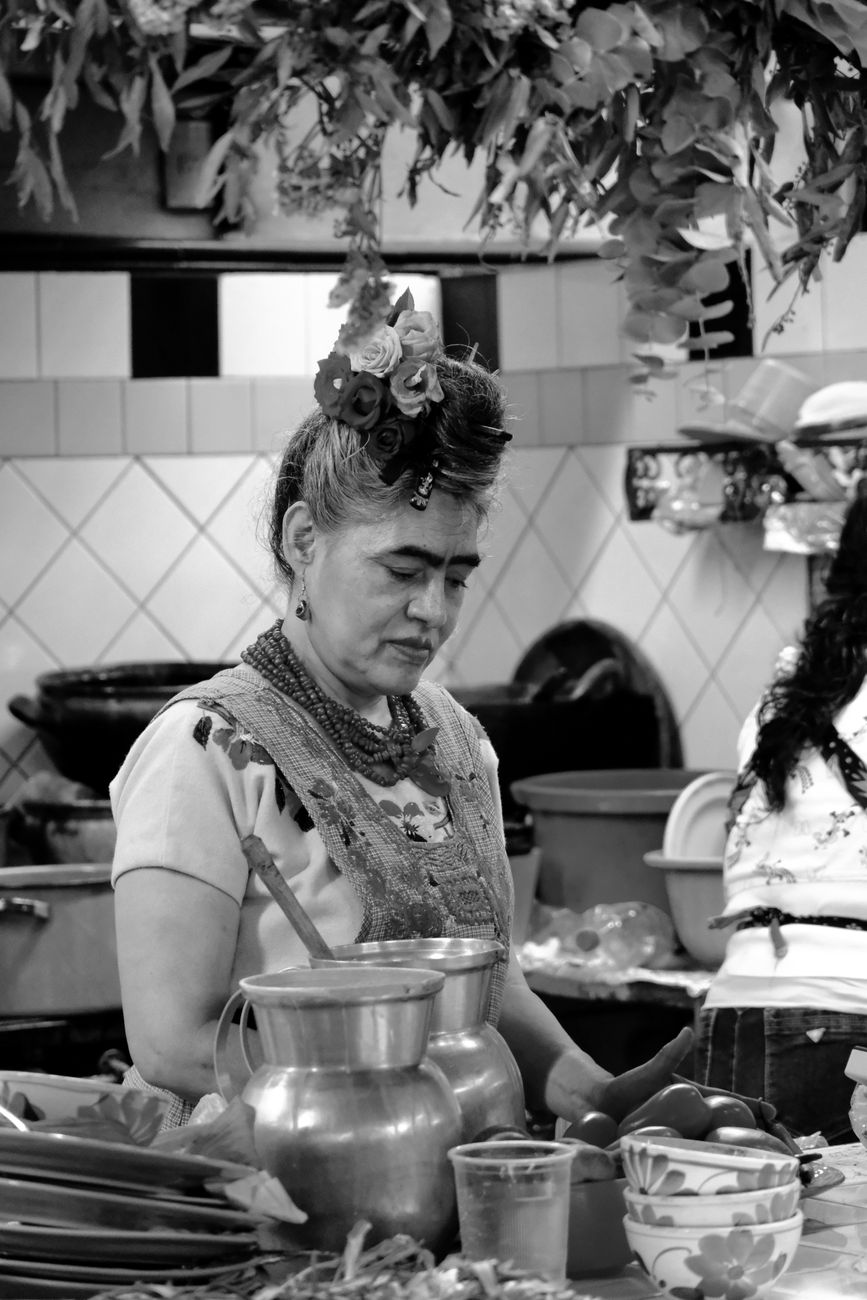
1. The Pulse of Tlacolula
Sunday morning in the Central Valleys of Oaxaca belongs to Tlacolula de Matamoros. Here, indigenous Zapotec women arrive wrapped in vivid silk-embroidered aprons, carrying woven reed baskets brimming with aromatic herbs, wild avocados, and dried chilies varying in shades from mahogany to burnished maroon.
Unlike cosmopolitan restaurant settings where cuisine is staged as aesthetic theater, the market reveals gastronomy as living community architecture. Nothing here is wasted, and every recipe is anchored in generational memory.
2. The Sacred Nixtamal
At the center of everything lies maize. Not the uniform yellow kernels of mass agribusiness, but heritage varieties: bolita, tepecintle, chalqueño, shaded in soft pinks, deep inky blues, and creamy whites.
“To understand Oaxacan cuisine is to realize that the tortilla is not a side dish; it is the plate, the utensil, and the ancestral prayer.”
The ancient process of nixtamalization—cooking corn kernels with slaked lime (calcium hydroxide)—breaks down the pericarp and unlocks vital nutritional bioavailability. Ground by hand on volcanic stone metates and patted onto clay comales over mesquite wood embers, the resulting tortilla puffs with steam, releasing an earthy aroma that modern industrial milling can never replicate.
3. Wild Agave & Clay Stills
Venturing past the valley toward Santa Catarina Minas reveals an older dimension of mezcal distillation. Here, small-batch maestros continue to distill fermented agave in clay pots rather than copper columns. Wild agaves like Tobalá and Tepeztate, having spent twelve to twenty-five years maturing on rocky hillsides, impart minerals and herbal complexities that capture the exact terroir of the mountain scrub.
4. Respecting Local Cookery
Travelers visiting Oaxaca must be conscious of cultural preservation. Support independent producers directly, visit family workshops with humility, and prioritize dining spots that compensate indigenous farmers fair value for their biodiversity.
Read More Culinary Travel Stories
Browse our food and wine dispatches across the world.